Kids usually do not quit indoor game night because they dislike games. More often, they lose interest because the evening moves too slowly, the rules feel confusing, someone keeps winning by a lot, or adults accidentally turn a relaxed activity into a performance.
This guide breaks down the most common indoor game night mistakes kids lose interest over and gives practical fixes you can use at home: shorter rounds, simpler rules, fairer teams, better game choices, prize-free motivation, and calmer ways to handle sore losers.
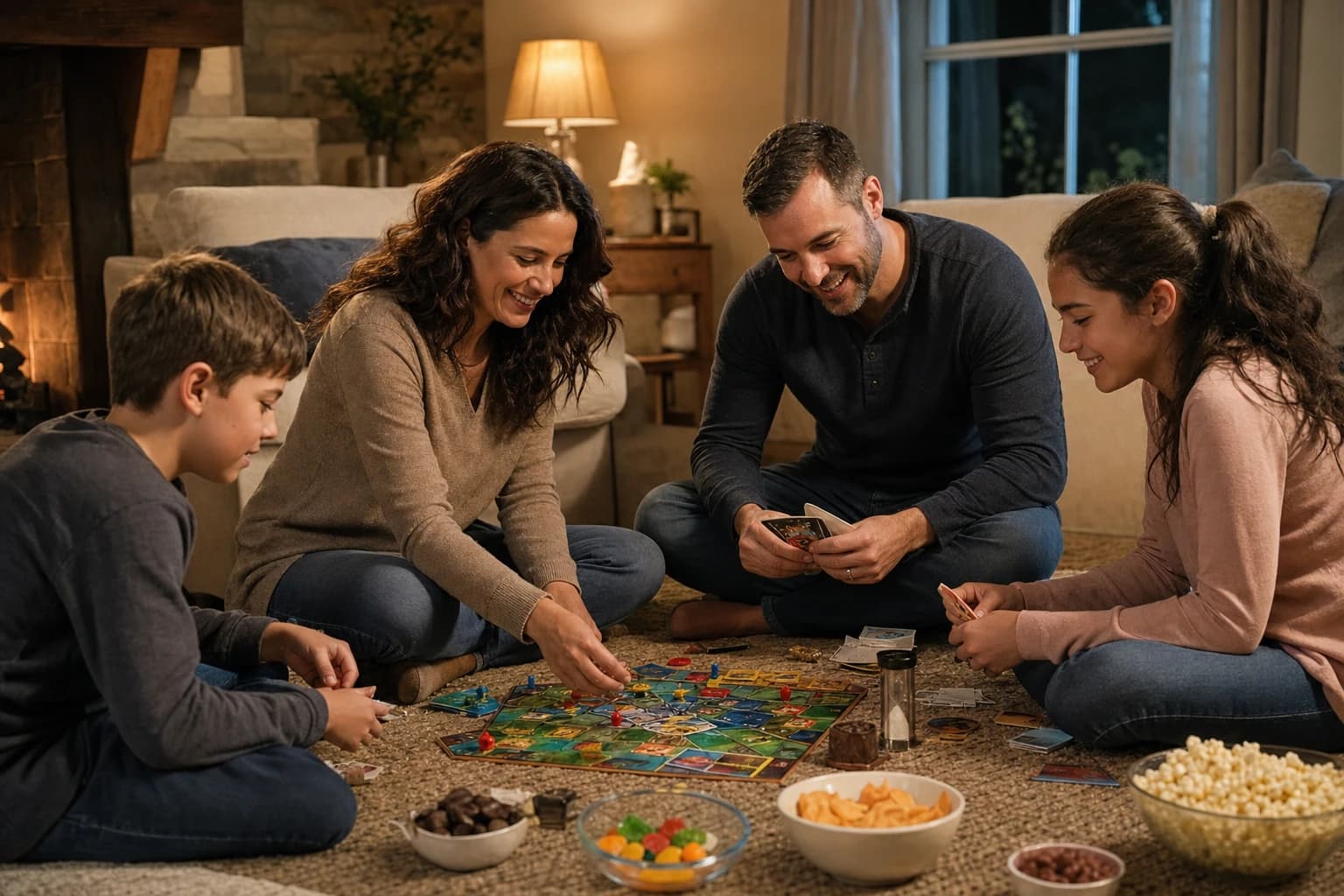
The quick answer: kids stay engaged when the game feels clear, fair, and finishable
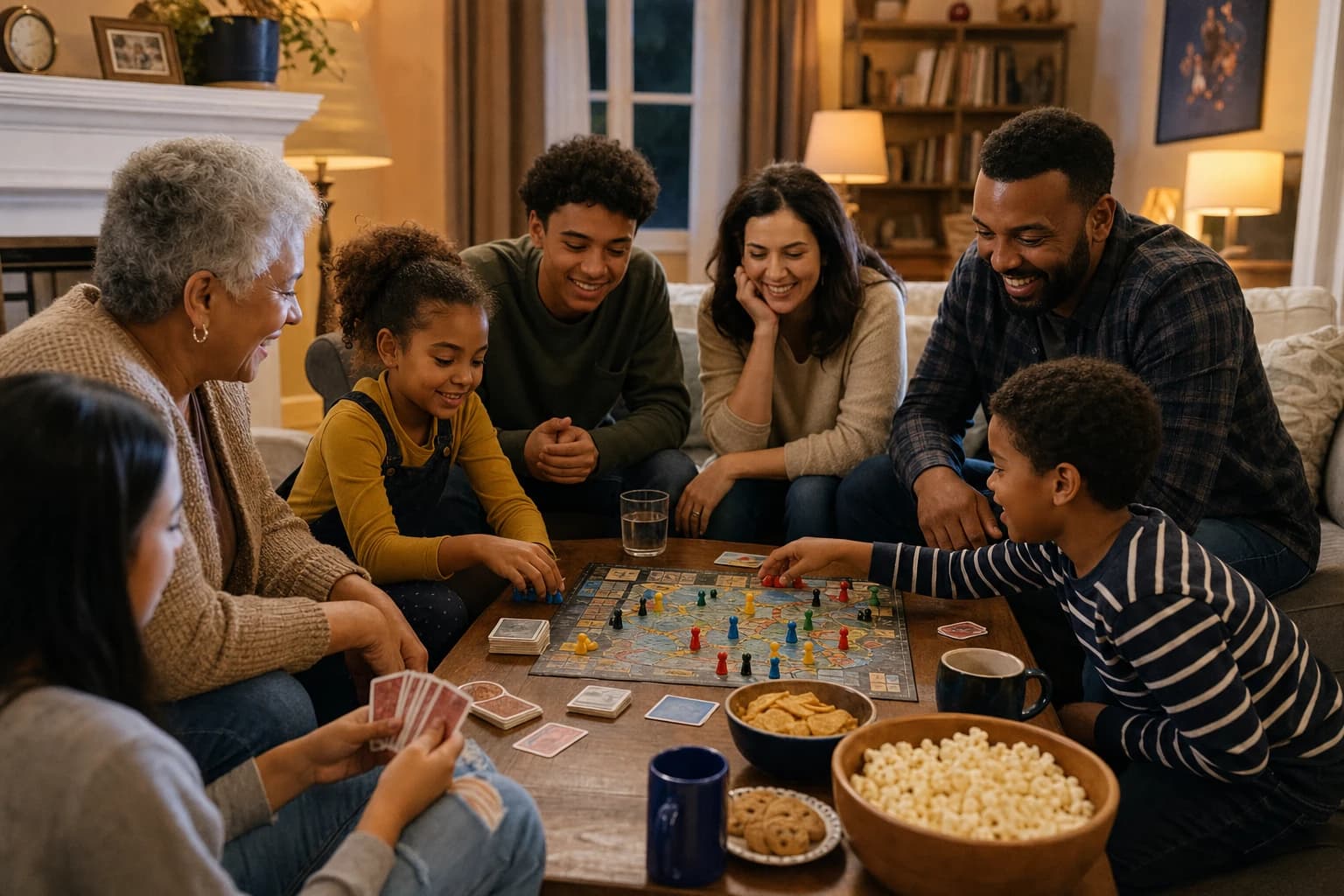
A good family game night does not need a big collection of games or a perfect schedule. It needs a setup where children understand what to do, get turns often enough, and feel that winning is possible without being the only reason to play.
The American Academy of Pediatrics clinical report on play notes that play supports social-emotional, cognitive, language, and self-regulation skills. Family game night can support those same skills, but only when the atmosphere stays playful instead of tense.
Common family game night problems and fast fixes
| Mistake | Why kids get bored or upset | Practical fix | Example |
|---|---|---|---|
| Choosing a game that is too advanced | Kids wait while adults explain, read, or calculate. | Use a beginner version first. | Play to 5 points instead of the full scoring system. |
| Explaining every rule before starting | The lesson becomes longer than the fun part. | Teach only the first turn, then add rules as needed. | Do one practice round that does not count. |
| Letting rounds run too long | Children feel trapped after the excitement fades. | Use a visible timer or a short target score. | Set a 12-minute round or play until someone has 3 tokens. |
| Making teams uneven | Younger kids feel carried, ignored, or doomed. | Pair ages intentionally and rotate roles. | One reader, one mover, one clue-giver. |
| Using prizes for every win | The reward becomes more important than playing. | Reward participation, creativity, or teamwork. | Winner chooses the next game; helper chooses the snack plate. |
| Ignoring sore losers | One emotional moment can end the night. | Teach a reset routine before the game begins. | Pause, breathe, say good game, then choose rematch or new game. |
Mistake 1: Starting with the wrong game for the group
One of the biggest reasons why kids get bored during game night is a mismatch between the game and the players. A game can be excellent and still be wrong for the evening. If one child cannot read yet, another wants strategy, and a third is tired after school, a long rule-heavy game is likely to lose the room.
Before choosing, check three things: reading level, waiting time, and emotional risk. Games with lots of hidden information, long elimination, or complex scoring can be frustrating for younger children. Games where turns come quickly, choices are visible, and mistakes are easy to recover from usually work better.
If your children are different ages, adapt the game instead of forcing everyone into the original rules. For deeper ideas, see How to Adapt Classic Board Games So Younger Kids Can Join Older Family Members.
Easy rule simplifications
- Remove one scoring category. For example, count only completed sets, not bonus points.
- Play open-handed. Let younger children keep cards face up so adults can quietly guide choices.
- Reduce the board. Use only half the path, fewer tiles, or fewer challenge cards.
- Allow one helper question per turn. The child still decides, but does not feel stuck.
Mistake 2: Turning rules into a lecture
Adults often explain rules because they want the game to be fair. The problem is that a long explanation can drain a child’s attention before the first turn happens. If the first 10 minutes are all talking, kids may decide the game is boring before they have played it.
Use the first-turn method instead. Explain the goal in one sentence, demonstrate one turn, then begin. Add details only when they matter. A short practice round is better than a perfect lecture.
For example, instead of explaining every card in a matching game, say: find pairs, collect the most pairs, and watch my first turn. After two minutes, add the special card rule if it appears. This keeps the game moving and reduces the pressure to remember everything at once.
Mistake 3: Playing full-length rounds when kids need short wins
Many family game night problems come from games that outlast the children’s energy. A game that feels fun for 15 minutes can become a struggle at 40 minutes, especially for younger players or children who have already had a full school day.
Shorter rounds do not make the game less meaningful. They make it more repeatable. Children are often happier playing three quick rounds than one long round where they fall behind early and cannot catch up.
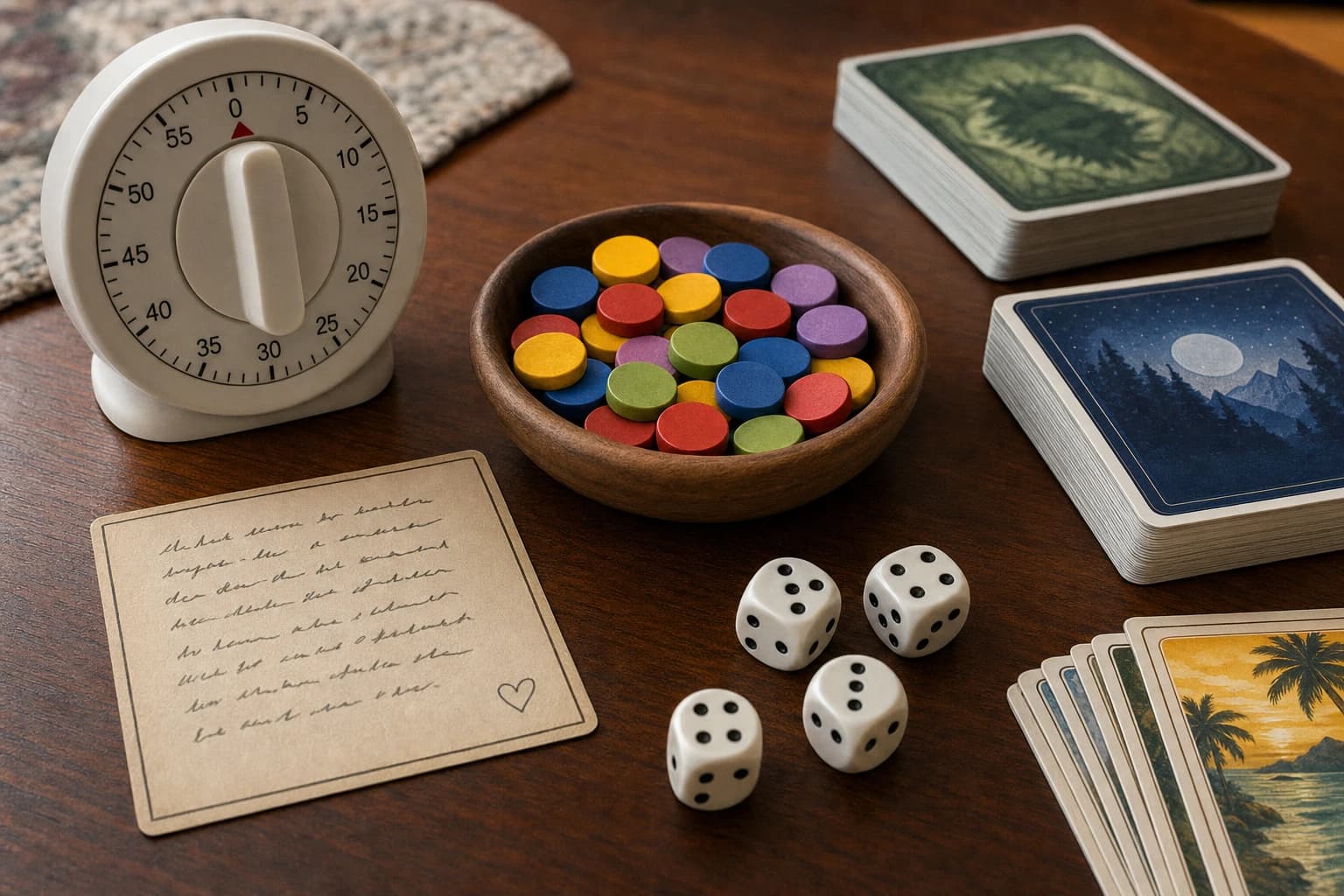
Use these finish lines
- Timer finish: Play for 10 or 12 minutes. When the timer rings, finish the current turn.
- Token finish: First player or team to 3 tokens wins the round.
- Card finish: Play until each person has taken 5 turns.
- Co-op finish: The group wins if it completes one shared goal before the timer ends.
Mistake 4: Making teams that feel unfair
Unfair teams can make children lose interest quickly. A younger child placed against older siblings may feel hopeless. A child always paired with an adult may feel like a passenger. A competitive child may become frustrated if they think a teammate is slowing them down.
Better teams are not always equal in skill; they are equal in involvement. Give every player a job that matters. In a drawing game, one child can draw while another guesses. In a word game, an adult can read the card while the child gives the clue. In a movement game, one player can set up the challenge and another completes it.
For bigger groups in tight spaces, choose games where no one is out for long. You may find useful options in Indoor Games for 10 People in a Small Room.
Mistake 5: Letting adults take over
Parents sometimes step in to keep the game organized, but too much adult control can make kids feel like guests at their own game night. If adults choose every game, enforce every rule, correct every move, and announce every score, children may stop investing.
Give children real ownership. Let one child choose between two approved games. Let another set the timer. Let someone be the scorekeeper, card dealer, clue reader, or challenge designer. For younger kids, the job can be simple: pass out tokens, flip the next card, or announce whose turn is next.
Ownership works best when choices are limited. Instead of asking, what do you want to play, ask, do you want the guessing game or the building challenge first? That keeps the evening moving while still giving kids control.
Mistake 6: Using prizes in a way that makes losing feel terrible
Small rewards can be fun, but prizes for every winner can change the mood. Some children start playing only for the prize. Others become anxious because losing now has a cost. Siblings may argue over whether the winner really deserved it.
A prize-free game night is often calmer. Use privileges that keep the night social rather than material: the winner chooses the next game, the best teammate chooses the music, or everyone votes for the funniest moment. You can also reward behaviors instead of outcomes.
- Most patient player
- Best comeback after a mistake
- Kindest helper
- Funniest clue
- Most creative strategy
This approach helps children see that game night is about participation, not just finishing first.
Mistake 7: Ignoring the room, noise level, and energy level
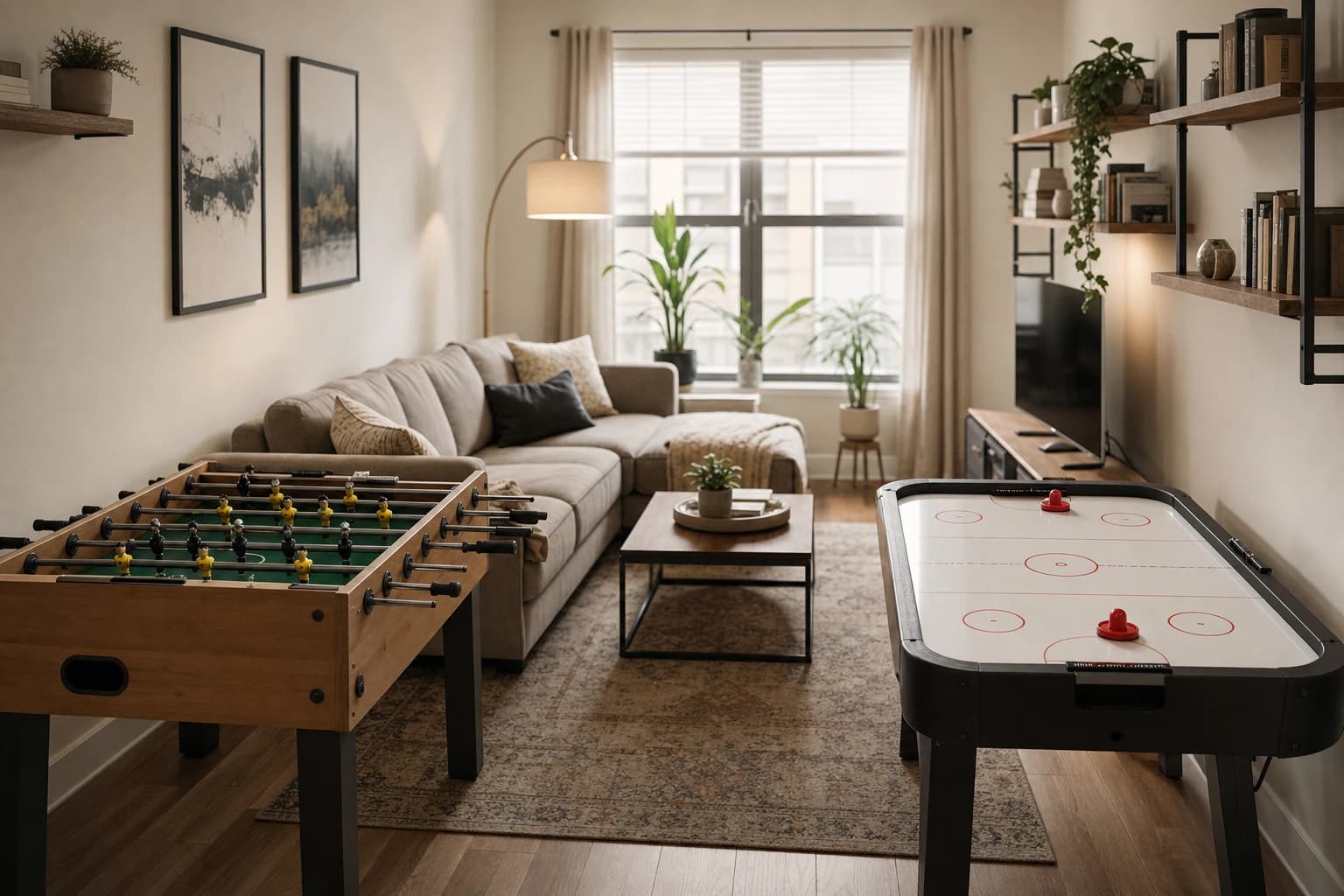
The right game in the wrong room can still fail. A running game in a small apartment can become stressful. A quiet card game may not work when kids have been sitting all day. A noisy guessing game might be a poor choice when a baby is sleeping or neighbors are close.
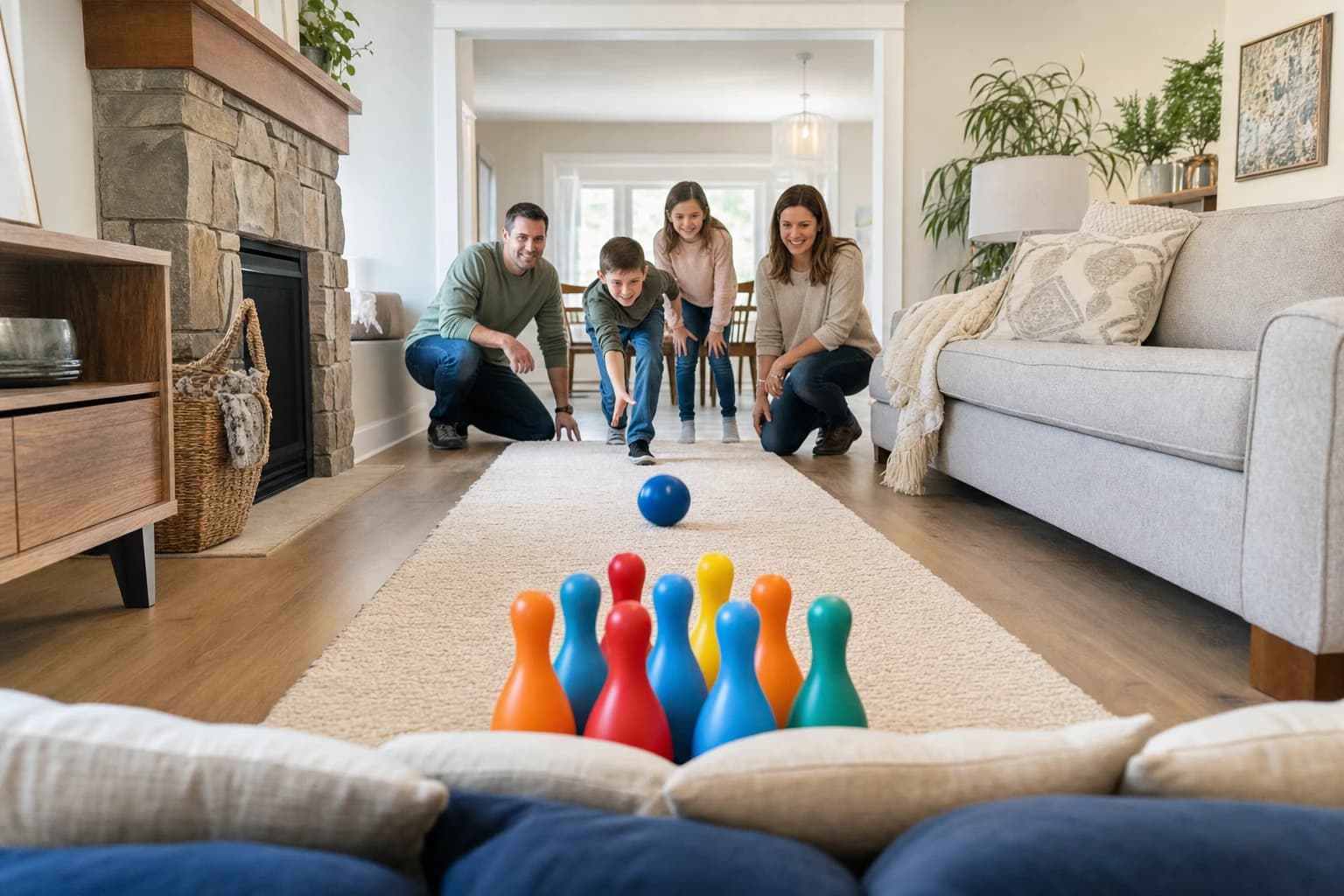
Match the game to the room. In a small living room, choose seated challenges, no-running relays, tabletop building, clue games, memory games, or target tosses with soft items. If you are dealing with limited space, the article Common Mistakes to Avoid When Organizing Active Indoor Games for Kids in a Small Apartment covers safety and setup details.
A simple rhythm works well: start with a short active game, move into a thinking or board game, then end with something cooperative or silly. The active game releases energy, the middle game gives structure, and the final game helps everyone leave in a good mood.
A practical setup plan for a smoother indoor game night
You do not need much equipment. The goal is to remove friction before children are already waiting.
Materials
- 2 to 3 game options, already chosen for the age group
- 1 visible timer, such as a kitchen timer or phone timer
- 10 to 20 tokens, coins, blocks, or paper squares for scoring
- 1 small house rules card written in plain language
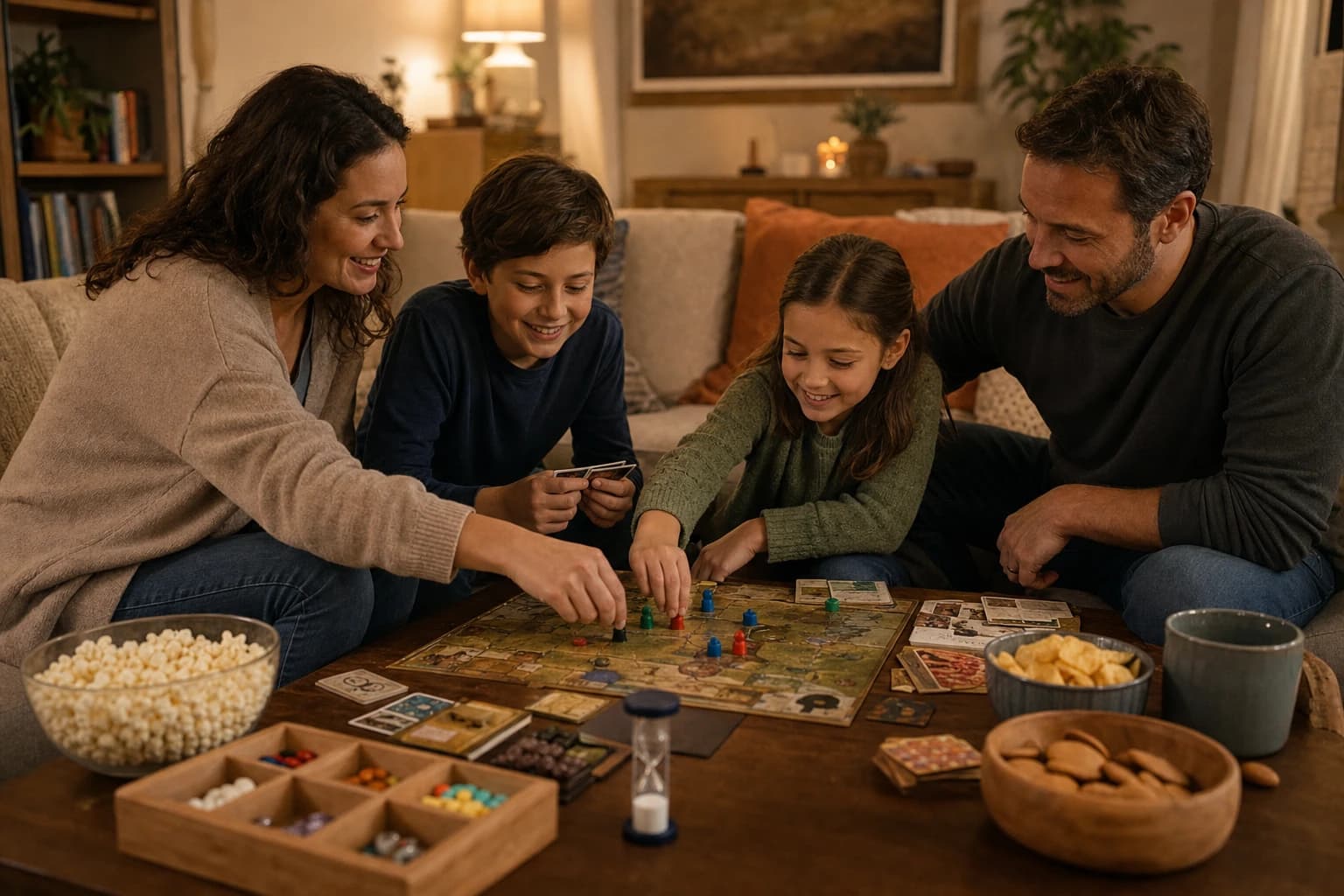
- Simple snacks and drinks placed away from cards and boards
- A clear play area with enough seats for every player
Numbered steps
- Choose a 45-minute window. For many families, that is enough time for setup, two short games, and a calm ending without stretching attention too far.
- Offer two choices, not unlimited choices. Say, should we start with charades or the card game? Too many options can lead to arguing before play begins.
- Explain the goal in one sentence. Example: collect three matching sets before the timer ends.
- Play one practice turn. Do not score it. Use it to show how turns work.
- Set a short finish line. Use 10 minutes, 5 turns each, or first to 3 tokens.
- Rotate jobs after each round. Dealer, timer, scorekeeper, clue reader, and setup helper are all useful roles.
- End before the mood collapses. If kids are still laughing, stop with the option to play again another day. Ending on a good note builds interest for next time.
How to handle sore losers without shaming them
Children are still learning how to lose, wait, negotiate, and recover from disappointment. A sore-loser moment is not proof that game night failed. It is a sign that the emotional load became too high.
The best time to plan for losing is before the game starts. Make a family reset rule: if anyone feels upset, the game pauses for one minute. The player can take a breath, get water, or sit out one turn without teasing. Then they choose one of two options: rejoin or help run the game.
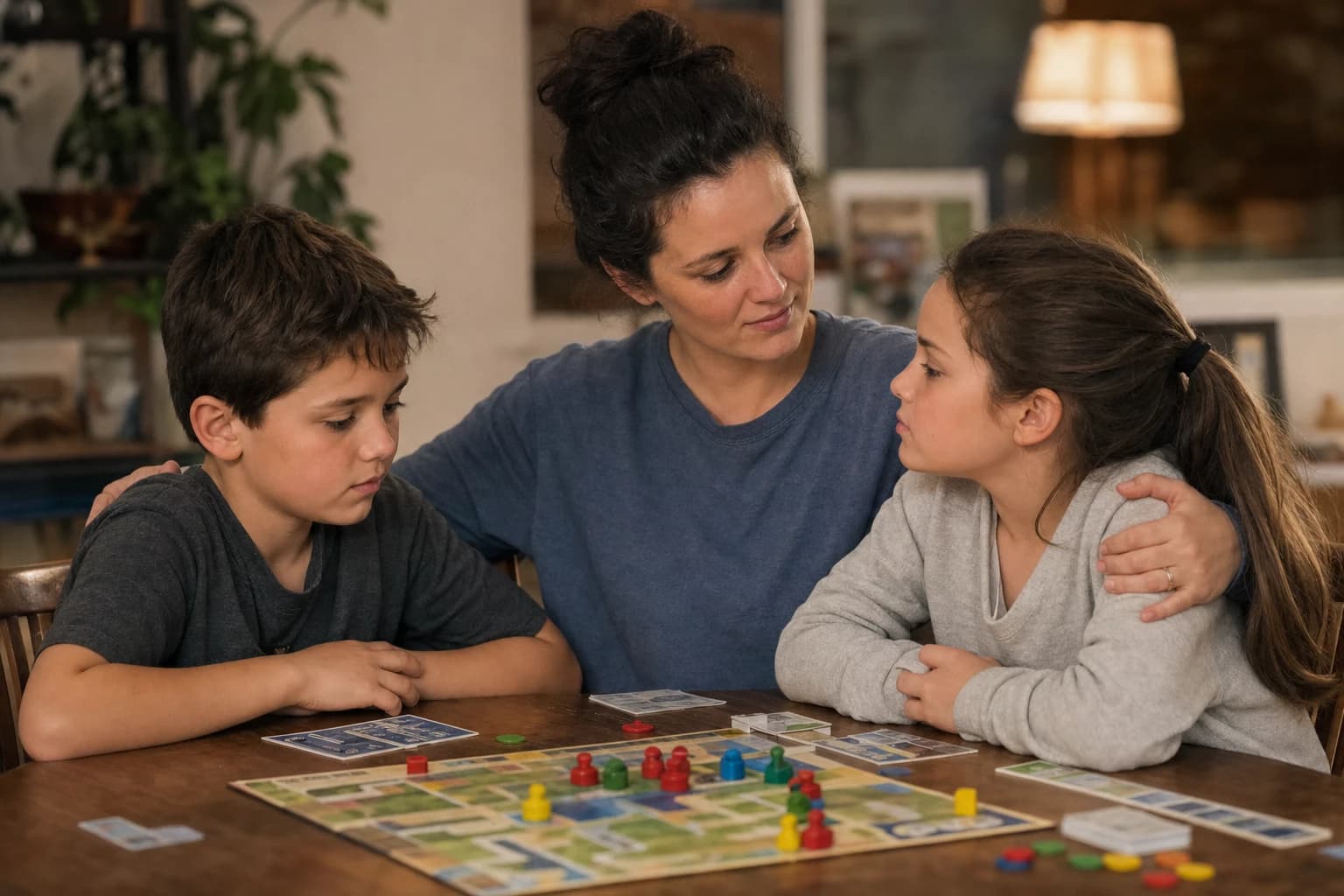
Useful phrases for tense moments
- For the child who lost: It is okay to feel disappointed. You can take one minute, then choose rematch or new game.
- For the child who won: Celebrate without teasing. Say good game before you talk about winning.
- For the adult: We are pausing the game, not punishing anyone.
- For repeated arguments: This game may be too competitive tonight. Let us switch to a team challenge.
If a certain game causes tears every time, retire it for a while or turn it cooperative. For example, instead of one person winning a building challenge, the group tries to build the tallest tower that stands for 10 seconds. Instead of eliminating players, give them helper roles so they stay included.
Simple indoor game night variations that keep kids interested
When kids keep asking for the same game but then lose interest halfway through, change the format rather than replacing the whole activity.
- Speed round: Same rules, but the timer is set for 5 minutes.
- Mystery role: One player has a secret helper task, such as encouraging every player once.
- Team swap: Change partners after each round so no one is stuck.
- Kids make one rule: Let children add one harmless house rule, such as bonus points for a funny team name.
- Co-op version: Everyone works against the timer, the deck, or a shared challenge.
If you need quick starters before a longer game, try short warmups from 5- to 15-Minute Indoor Icebreaker Games for Kids.
FAQ
Why do kids get bored during game night so quickly?
Common reasons include long rule explanations, too much waiting between turns, games that are too difficult, uneven teams, and rounds that continue after the excitement is gone. Shorter rounds and simpler rules usually help.
How long should indoor game night be for younger kids?
A short session often works best. Try 30 to 45 minutes total, with individual rounds lasting about 5 to 12 minutes. Stop sooner if the mood is clearly fading.
Should parents let kids win?
Letting kids win every time can make winning feel fake. A better option is to balance the game with teams, helper rules, shorter goals, or cooperative challenges so children can compete fairly and still learn how to lose.
What if one child always gets upset when losing?
Create a reset routine before play begins. Pause for one minute, avoid teasing, and offer a choice: rejoin, help run the game, or switch to a team game. Keep the tone calm and consistent.
Are prizes a bad idea for family game night?
Prizes are not always bad, but they can make losing feel bigger than it needs to be. Non-material rewards, such as choosing the next game or naming the funniest moment, usually keep the focus on playing together.
Conclusion
Most indoor game night mistakes that make kids lose interest are fixable. Choose games that match the group, teach by playing, shorten the finish line, create fair roles, avoid prize pressure, and prepare for emotional moments before they happen.
The best sign of success is not a perfectly quiet table or a flawless set of rules. It is kids asking to play again because the night felt clear, fair, and fun.