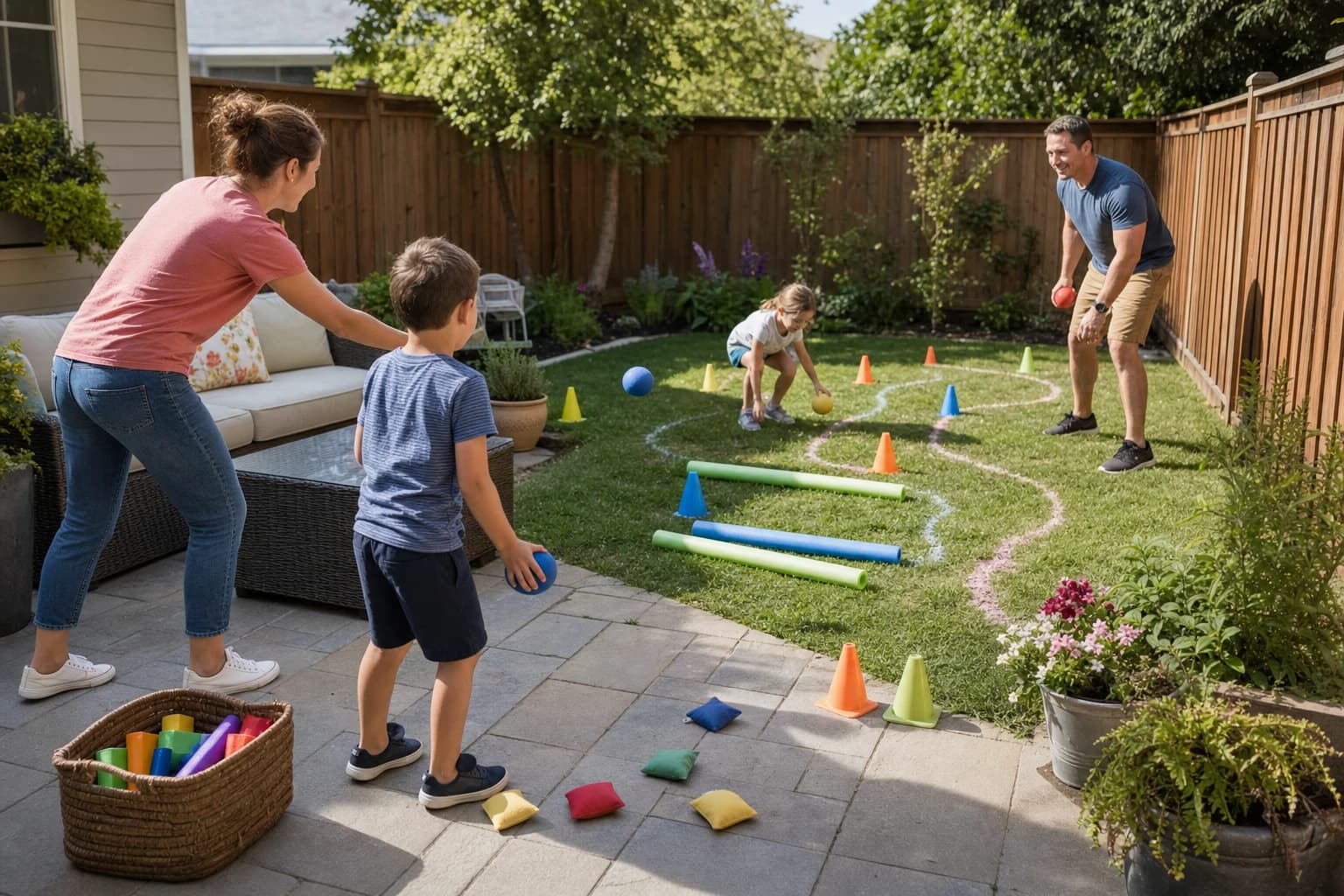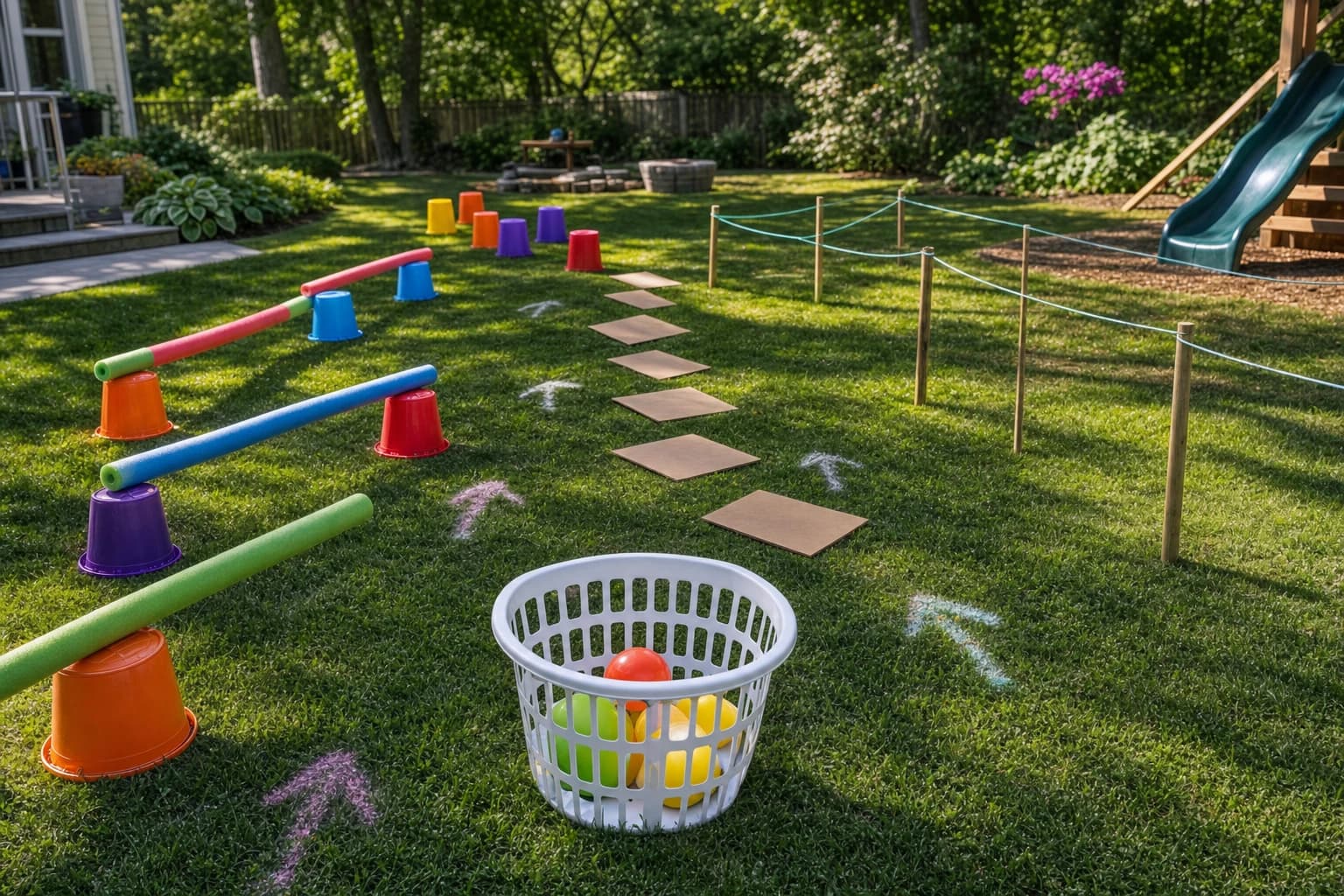

Capture the Flag is simple once everyone understands the same boundaries, jail rules, and tagging rules. Without that clarity, the game can quickly turn into arguments about who was tagged, where the line is, or how someone gets out of jail.
This guide explains practical capture the flag rules for parks, camps, school fields, and backyard open spaces. It covers player counts, field setup, team balancing, jail options, safety checks, age adjustments, and easier versions for younger children.
Quick Answer: Basic Capture the Flag Rules
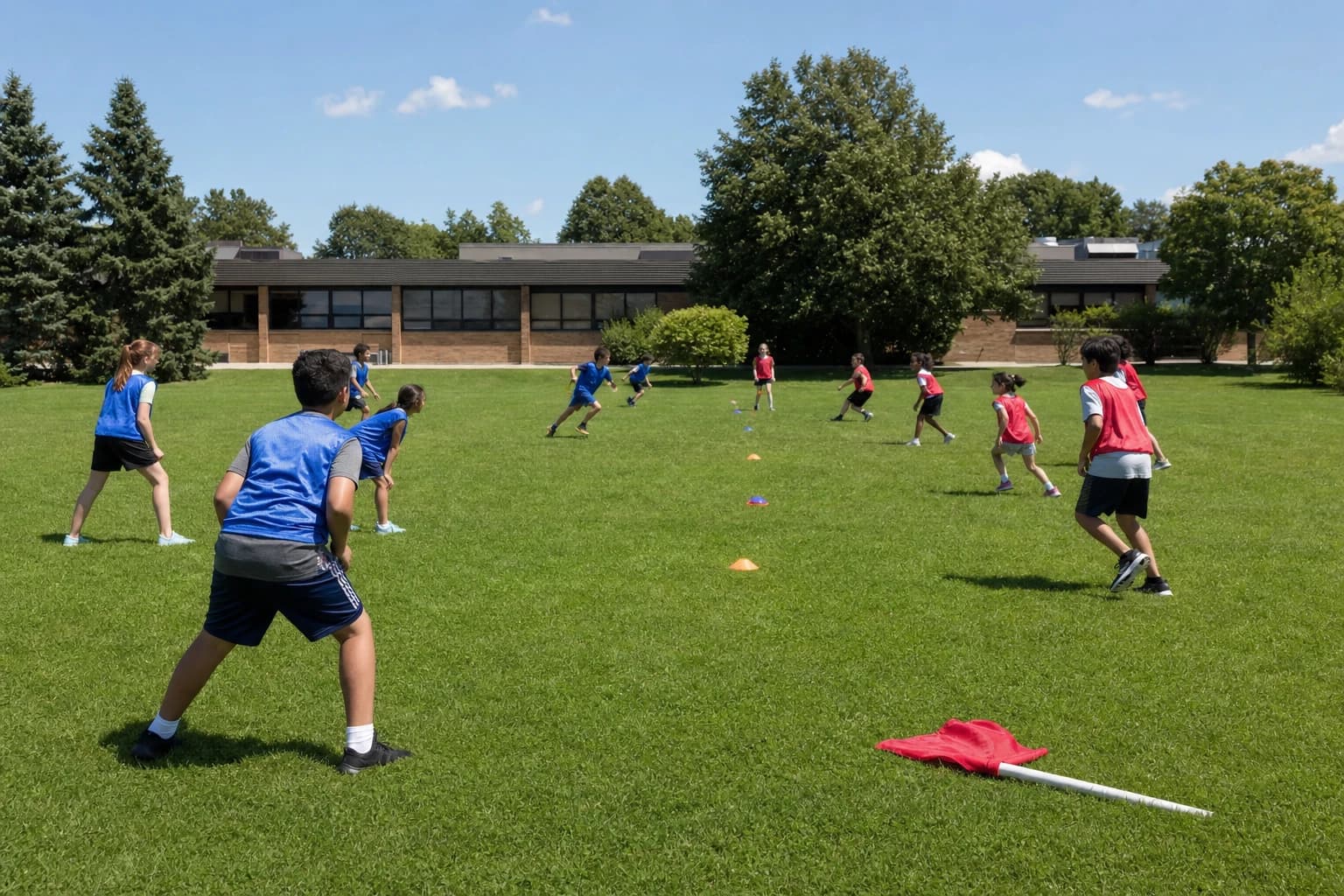
Capture the Flag is an outdoor team game where two teams each protect a flag while trying to steal the other team’s flag and bring it back to their own side. The field is divided into two territories. Players are safe on their own side and can be tagged on the opponent’s side.
Use these basic rules for a standard beginner-friendly game:
- Players: 6 to 30 works well. For very large groups, split into smaller games or use multiple flags.
- Teams: Two even teams, balanced by age, speed, and confidence.
- Field: A rectangular area divided by a center line, with one flag zone and one jail zone on each side.
- Objective: Bring the other team’s flag back across the center line without being tagged.
- Tagging: You may tag opponents only when they are on your team’s side.
- Jail: Tagged players go to jail and may be released by a teammate, depending on the version you choose.
- Winning: The first team to capture the flag, or the team with the most captures after a set time, wins.
For camps, school groups, and mixed ages, time-limited rounds are usually better than playing until one team wins. A 10-minute round keeps the game moving and gives you a natural pause to adjust teams if one side is much stronger.
What You Need for a Safe Capture the Flag Setup
You do not need special equipment, but visible markers make the game smoother and safer. The biggest setup mistake is relying on imaginary lines that only the organizer understands.
Materials
- 2 flags, bandanas, soft cones, pinnies, or brightly colored cloths
- 8 to 16 cones, flat markers, water bottles, or field-safe boundary markers
- Optional team identifiers, such as colored wristbands or pinnies
- A whistle or clear verbal signal for starting and stopping play
- A phone or stopwatch for timed rounds
- Water break area away from the playing field
Recommended Space
For children ages 7 to 12, a field about the size of a small soccer practice area is enough. A practical starting size is around 30 yards long by 20 yards wide for 10 to 16 players. For older children or teens, expand the field to about 50 yards by 30 yards if the space is open and easy to supervise.
Smaller fields create more tagging and less running. Larger fields create more strategy but can make supervision harder. If you cannot see the whole field clearly, the area is too large for a beginner group.
Safety Rules Before You Start
Capture the Flag involves sprinting, turning, and quick stops, so the playing area matters. Walk the full field before the game. Remove or avoid holes, exposed roots, broken glass, sharp rocks, slippery mud, sprinkler heads, low branches, and areas near roads or parking lots.
Choose grass or another forgiving surface when possible. Avoid hard pavement for running versions, especially with younger children. The U.S. Consumer Product Safety Commission’s Public Playground Safety Handbook emphasizes inspecting play areas for hazards such as protrusions, debris, and other injury risks; the same habit is useful before organizing active outdoor games.
- Use touch tags only; no pushing, grabbing clothes, blocking, tackling, or tripping.
- Stop the game immediately if someone falls and does not get up right away.
- Keep boundaries away from streets, water, steep slopes, and playground equipment.
- Set a clear out-of-bounds rule: if a player leaves the field, they must re-enter from their own side or go to jail, depending on your chosen rule.
- Use shorter rounds in hot weather and schedule water breaks between rounds.
How to Set Up Capture the Flag Step by Step
This setup works well for parks, camp lawns, school fields, and large backyards. It takes about 5 to 10 minutes once you have markers ready.
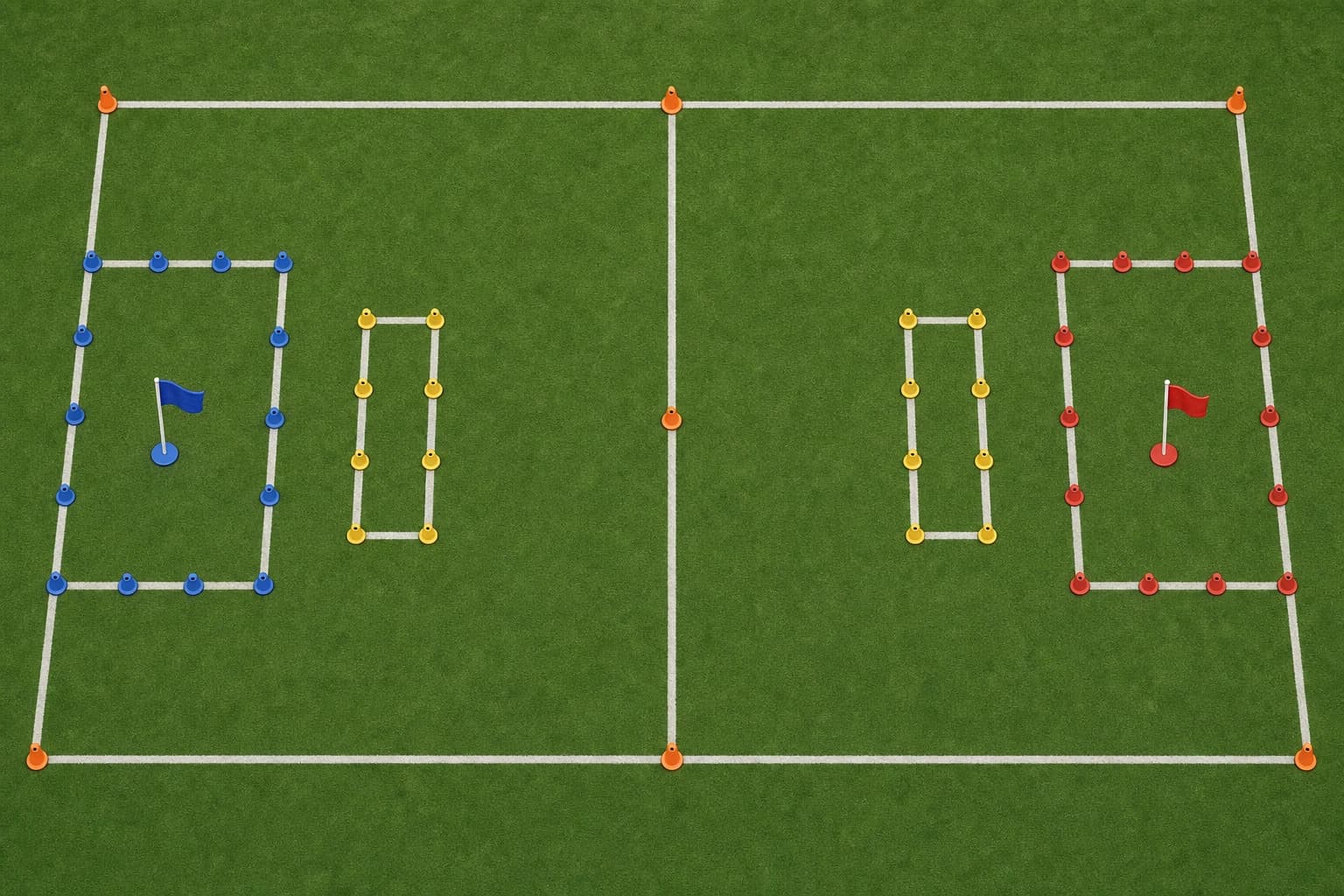
- Mark the outside boundaries. Create a rectangle using cones or natural landmarks. Good boundaries are easy to describe, such as “from the fence to the oak tree” or “inside the four orange cones.”
- Divide the field in half. Mark the center line with cones, a chalk line, or a row of flat markers. Players must know exactly when they have crossed into enemy territory.
- Create a flag zone on each side. Place each flag near the back of its team’s territory, but not against a fence or wall. Leave at least several steps of space around it so players can approach from more than one direction.
- Create a jail on each side. Put each jail near the side edge of the field, not directly beside the flag. A jail can be a circle of cones, a tree area, or a small marked rectangle.
- Choose teams. Avoid “best friends choose teams” if the group has big differences in speed or age. Instead, assign teams by alternating older and younger players, or have an adult divide the group quietly.
- Explain the rules in one minute. Tell players where the boundaries, flags, jails, and center line are. Then ask two players to repeat the most important rules: where tagging is allowed and how jail release works.
- Start with a short practice round. Play a 3-minute warm-up round before keeping score. This exposes confusing rules before the real game begins.
Standard Capture the Flag Rules for Parks and Fields
Use this rule set when players are old enough to understand territory, tagging, and jail. It is a good default for elementary-age children, scouts, day camps, school recess groups, and family gatherings.
1. Territory and Safe Side
Each team owns one half of the field. You are safe from tagging on your own side. Once you cross the center line into the opponent’s territory, you can be tagged by any opponent.
Players may move freely on their own side to defend, plan, or wait for teammates. They may not stand inside their own flag zone if you use a no-guarding rule, explained below.
2. Tagging Rules
A tag should be a light touch on the arm, shoulder, or back. If there is doubt, the tagged player should go to jail. That “when in doubt, accept the tag” rule prevents long debates and keeps the game friendly.
Do not allow two-hand grabbing, shirt pulling, body blocking, or surrounding a player with physical contact. Defenders may chase and tag, but they may not hold someone in place.
3. Jail Rules
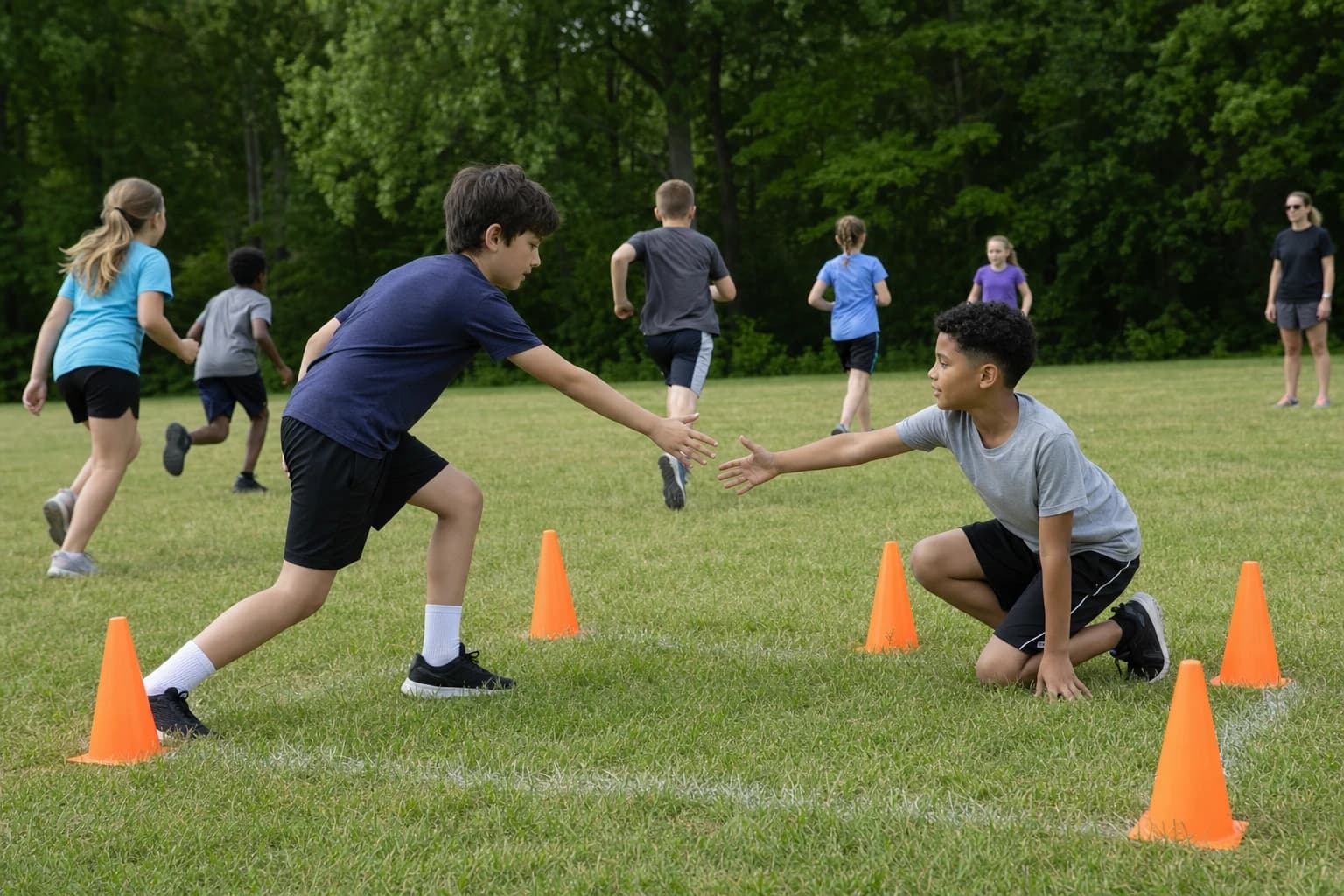
When a player is tagged in enemy territory, they walk to that team’s jail. No one may tag a player again while they are walking to jail. A jailed player must stay inside the jail area until released.
The most common release rule is the one-touch jailbreak: a free teammate reaches the jail and tags one jailed player, releasing that player. Both players get a free walk back to their own side, or they must run back and can be tagged again, depending on the version you choose. For younger players, the free-walk version is easier and calmer.
4. Flag Rules
A player captures the flag by picking it up from the opponent’s flag zone and carrying it back across the center line to their own territory. If they cross safely with the flag, their team scores one capture.
If a flag carrier is tagged before crossing the center line, choose one of these rules before the game starts:
- Return rule: The flag goes back to its original spot. This is simple and best for younger players.
- Drop rule: The flag is dropped where the player was tagged, and either team may pick it up. This is more strategic but can create crowding.
For most school and camp games, the return rule is cleaner and safer.
5. Guarding the Flag
Without a guarding rule, one or two defenders may stand directly on top of the flag all game. That makes the game boring for attackers. Use a three-step guarding rule: defenders must stay at least three big steps away from their own flag unless they are actively chasing someone.
For older groups, you can make the distance larger, such as five steps. For younger groups, mark a small no-standing circle around the flag with cones so the rule is visible.
6. Out-of-Bounds
If a player leaves the marked field to avoid being tagged, they go to jail. If they step out accidentally, have them return to the point where they left the field. Pick one rule and use it consistently.
Do not place boundaries so close to obstacles that players are tempted to dodge around trees, benches, walls, or parked cars.
7. Winning the Game
You can play first capture wins, but timed rounds work better for most groups. A simple format is three rounds of 8 to 10 minutes. Each successful flag capture scores 1 point. Reset flags and jails after each capture, then restart from each team’s side.
If a round ends while someone is carrying the flag, decide in advance whether the play is dead at the whistle or whether the runner gets one final chance to cross. For beginners, stop immediately at the whistle.
Rule Options by Age and Group Size
The best version of Capture the Flag depends on how many players you have and how well they handle competition. The table below gives practical adjustments.
| Group | Best Setup | Jail Rule | Round Length | Organizer Tip |
|---|---|---|---|---|
| Ages 4–6 | Small field, flags visible, no hiding | No jail or 10-second freeze | 5 minutes | Focus on running to the flag, not winning. |
| Ages 7–9 | Clear cones, short distance to flag | One-touch release with free walk home | 6–8 minutes | Use the return rule for dropped flags. |
| Ages 10–12 | Medium field with jail and flag zones | One-touch release; runner can be tagged after release | 8–10 minutes | Add a three-step no-guarding rule. |
| Teens | Larger field, more strategy | Jailbreak releases one or all players | 10–12 minutes | Consider multiple flags to reduce stalemates. |
| 20+ players | Wider field or two simultaneous games | Release one player at a time | 8–10 minutes | Use team colors so players can identify sides quickly. |
Simpler Capture the Flag Game for Kids
For younger children, the full game can be too much: territory, jail, defenders, tagging, and flag returns all at once. This simpler capture the flag game for kids keeps the fun while reducing confusion.
No-Jail Capture the Flag
Set up the field the same way, but remove the jail. When a player is tagged on the opponent’s side, they freeze and count out loud to 10. After counting, they return to their own side and rejoin the game.
This version is excellent for ages 4 to 7 because no one gets stuck waiting in jail. It also prevents one team from losing half its players early in the round.
Treasure Grab Version
Instead of one flag per team, place 5 soft objects behind each team’s line. Teams try to bring treasures back one at a time. If tagged, the player returns the treasure and goes back home. The team with more treasures at the end of 5 minutes wins.
This variation spreads players out and reduces pileups around a single flag. Use beanbags, scarves, soft balls, or cones rather than hard objects.
Team Balancing and Fair Play Tips
Good team balancing matters more than perfect rules. A game with one fast team and one slow team becomes frustrating quickly.
- Split strong runners evenly. If two children are clearly the fastest, put them on opposite teams.
- Balance confident and cautious players. Some players naturally attack; others prefer defense. Each team needs both.
- Rotate roles. After each round, invite defenders to try attacking and attackers to try guarding.
- Use captains carefully. Letting children pick teams can leave someone chosen last. Adult-assigned teams are usually kinder.
- Change the field if needed. If no one can capture the flag, move the flags closer to the center. If captures happen too quickly, move them farther back.
If you are planning several activities for a group, Capture the Flag pairs well with other large group party games for 20 to 50 people because it keeps most players active instead of eliminating them. For indoor backup plans, especially when weather changes, you may also want simple indoor games for 8-year-olds with no equipment.
Common Mistakes to Avoid
Most Capture the Flag problems come from unclear expectations, not from the game itself. Fix these before the first round.
- Unclear center line: Players argue about tags when they cannot tell which side they are on. Mark the line.
- Flags hidden too well: For beginner games, flags should be visible. Hiding works better for older players and wooded areas with careful supervision.
- Too many defenders camping the flag: Use a no-guarding circle or three-step rule.
- Jail too close to the flag: Released players and flag runners collide. Keep jail off to the side.
- Rounds that last too long: Long rounds can lead to fatigue and arguments. Use a timer.
- No stop signal: Players must know that one whistle, clap pattern, or call means freeze immediately.
Organizer’s Rule Script
If you need a quick way to explain how to play Capture the Flag, use this script:
“Each team protects its flag and tries to capture the other team’s flag. You are safe on your side. If you cross the center line, the other team can tag you with a light touch. If tagged, walk to jail. A teammate can release you with one touch, then both of you walk back to your side for free. Defenders must stay three steps away from their own flag. If you bring the other flag across the center line, your team scores. One whistle means stop.”
After reading the script, point to each area on the field. Then ask, “Where can you be tagged?” and “How do you get out of jail?” If players can answer those two questions, they are ready to start.
Fun Variations for Camps and School Fields
Once the group understands the basic rules, small changes can keep the game fresh.
Multiple Flags
Place 3 flags or soft items in each team’s flag zone. A team wins by capturing all 3 or by having more captures when time ends. This works well for larger groups because more players can be involved in attacks.
Medic Release
Choose one or two players per team as medics. Only medics can release jailed players. This adds strategy, but it is best for older children who can handle assigned roles.
Walking Capture the Flag
Everyone must walk heel-to-toe or speed-walk without running. This is useful for smaller yards, mixed-age family games, or groups where full-speed running is not appropriate.
Glow Version
For older children with close adult supervision, use glow bracelets or soft glowing markers at dusk in a safe, enclosed field. Keep the playing area smaller than usual and remove obstacles before it gets dark. Do not play near roads, water, or uneven ground.
If bad weather moves the group indoors, consider quieter alternatives such as quiet indoor games for preschoolers on rainy days for younger children or Minute-to-Win-It party games for teens using household items for older groups.
FAQ: Capture the Flag Rules
How many players do you need for Capture the Flag?
You can play with as few as 6 players, with 3 on each team. The game is usually better with 8 to 20 players because teams have enough people to attack, defend, and rescue jailed teammates.
Can you guard the flag in Capture the Flag?
Yes, but it is best to limit guarding. A common beginner rule is that defenders must stay at least three big steps away from their own flag unless they are chasing an attacker.
What happens if you get tagged while holding the flag?
Decide before the game. The simplest rule is that the flag returns to its original spot and the tagged player goes to jail. Older groups may prefer dropping the flag where the tag happened.
How do players get out of jail?
The easiest jail rule is one-touch release: a teammate reaches the jail and tags one jailed player. For younger kids, let both players walk safely back to their own side before rejoining.
How long should a round last?
For most children’s groups, 8 to 10 minutes is enough. Younger children often do better with 5-minute rounds. Timed rounds reduce fatigue and make it easier to rebalance teams.
Is Capture the Flag better with hidden flags?
Hidden flags can be fun for older players, but visible flags are better for beginners and younger children. If you hide flags, keep them within the marked field and away from unsafe areas.
Conclusion
The best Capture the Flag games are not complicated; they are clearly organized. Mark the boundaries, balance the teams, choose a simple jail rule, and explain tagging before play begins. For younger children, use shorter rounds, visible flags, and no-jail or freeze-count rules. For older groups, add strategy with multiple flags, medic roles, or a larger field.
Most of all, keep the game safe and easy to understand. When players know exactly where to run, how to tag, and how to rescue teammates, Capture the Flag becomes one of the most reliable outdoor team games for parks, camps, school fields, and family gatherings.