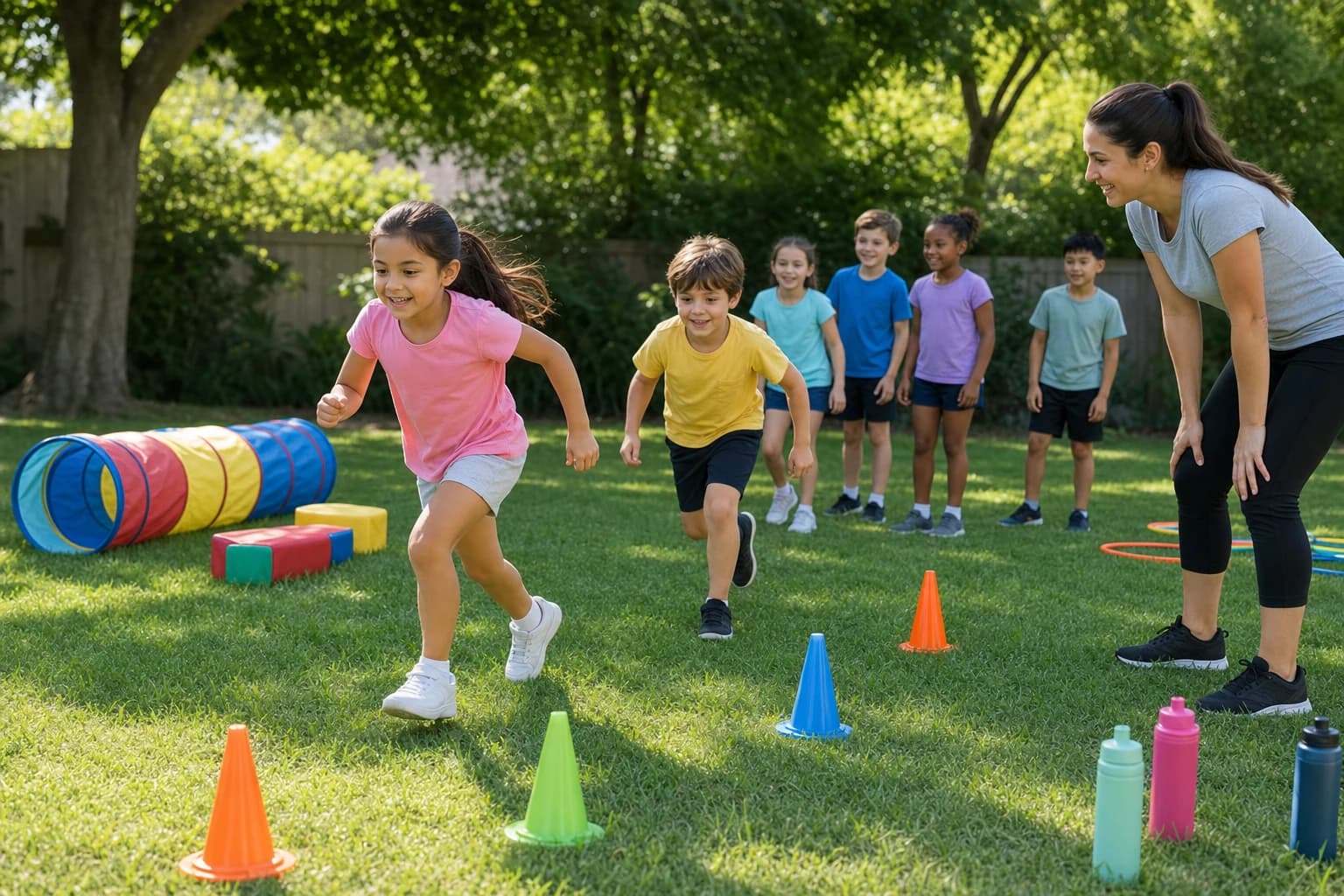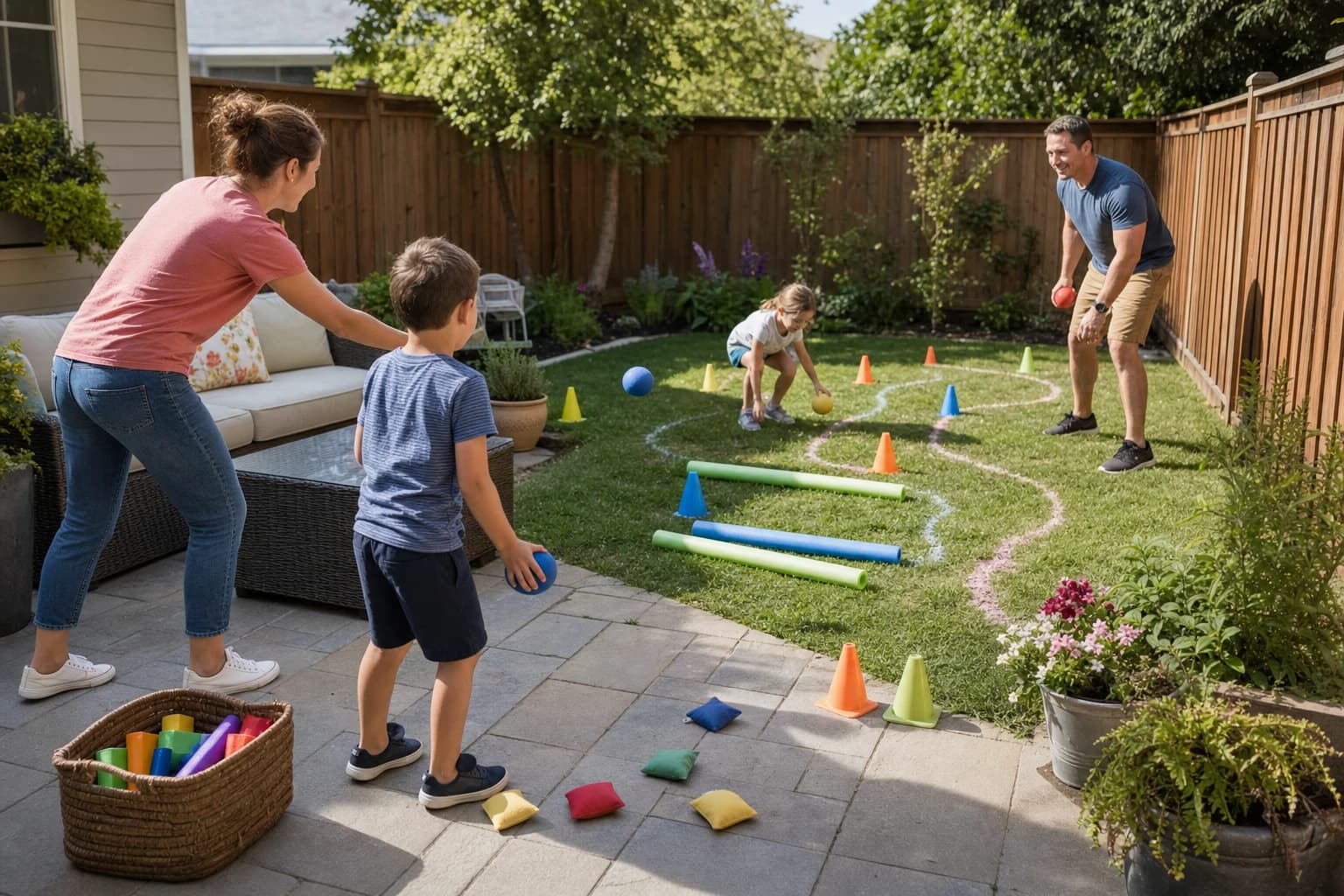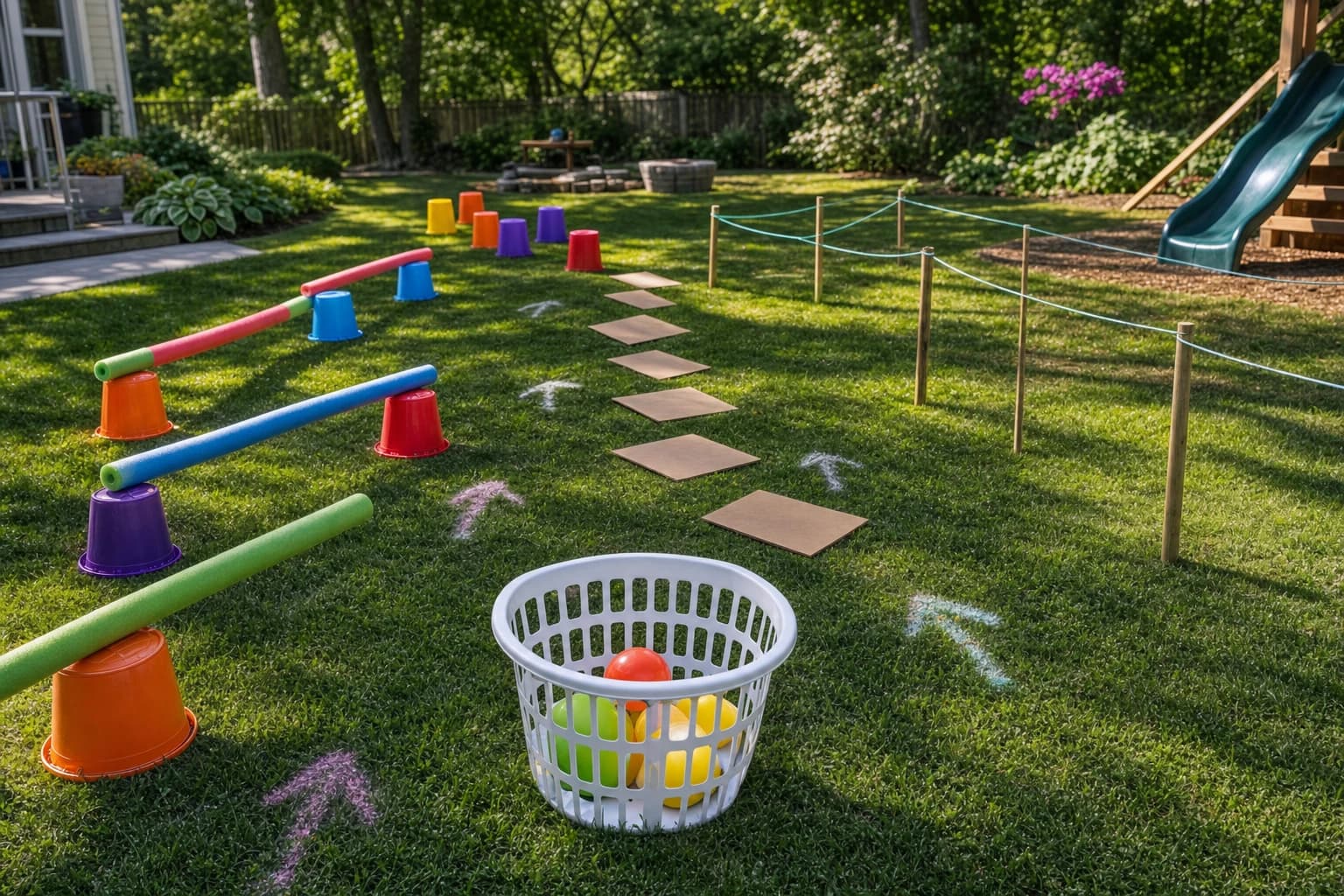
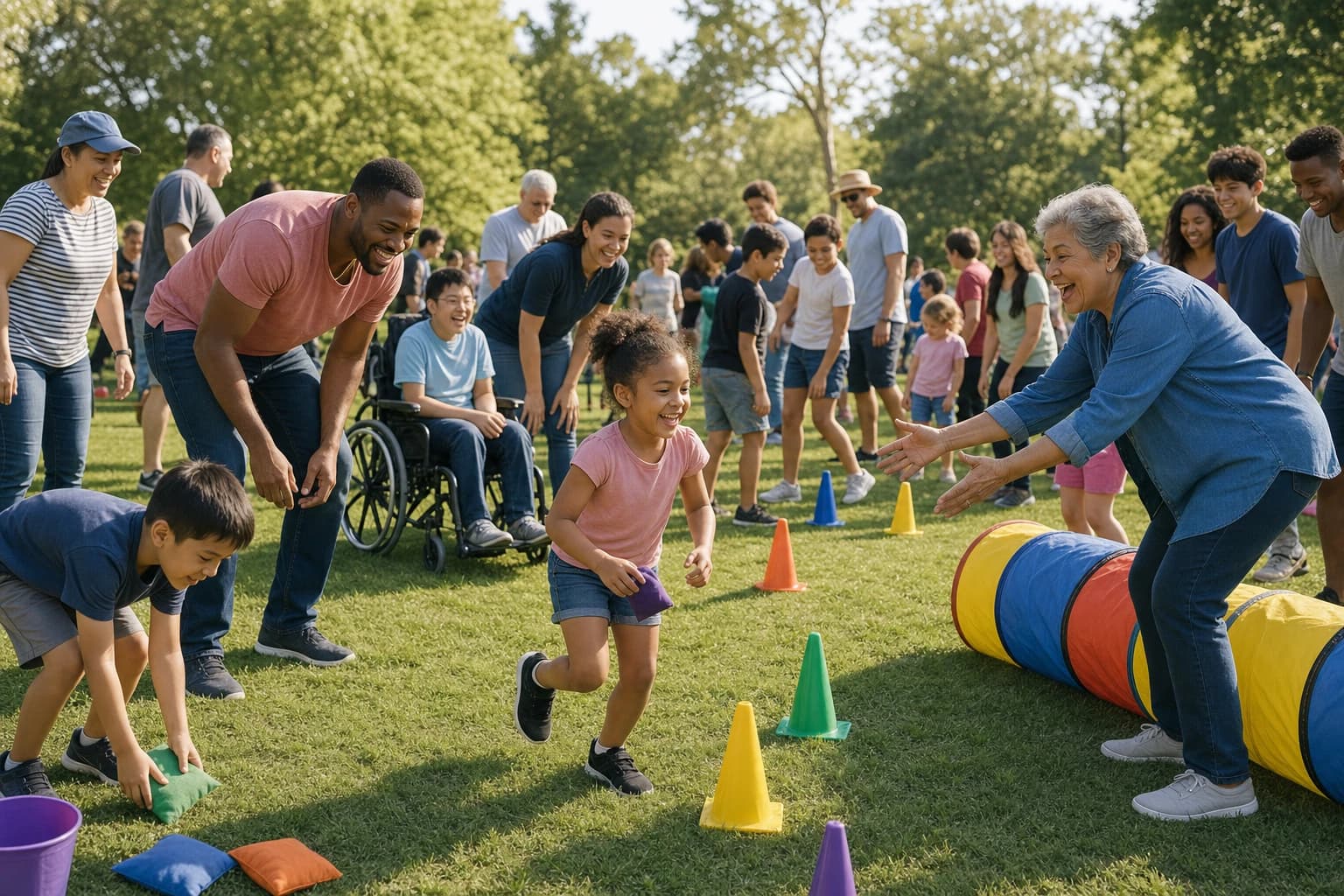
Running outdoor games for mixed age groups sounds simple until a preschooler, a teenager, a grandparent, and a competitive uncle all end up in the same relay. The biggest problems are rarely the games themselves. They usually come from planning mistakes: teams that are stacked, rules that only some players understand, long waits between turns, play areas that are too crowded, or activities that accidentally favor one age group.
This guide focuses on practical prevention. It explains the most common group game planning mistakes for family gatherings, camps, school picnics, church events, and community days, with fixes you can use before the first whistle blows.
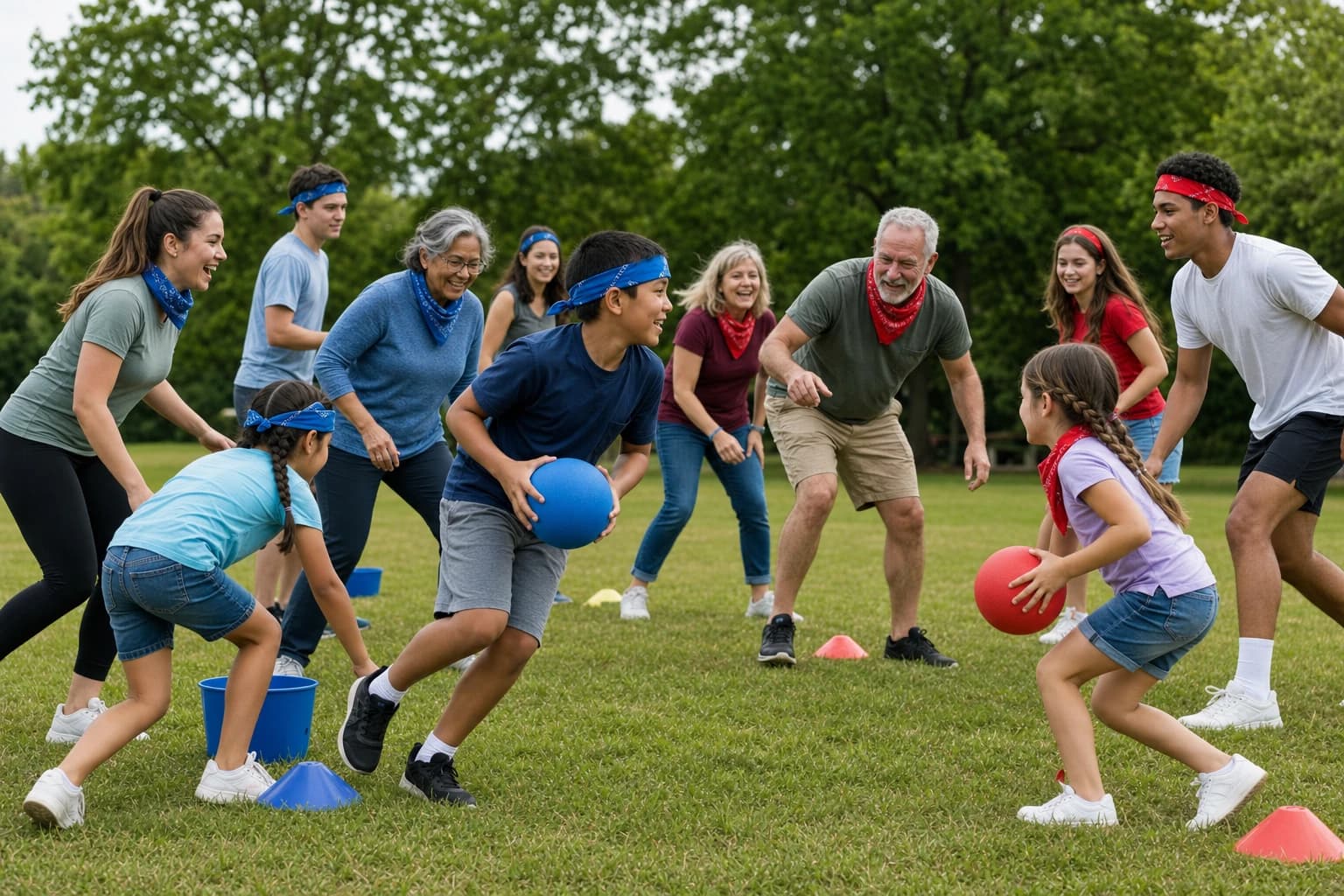
Quick Answer: What Makes Mixed-Age Outdoor Games Go Wrong?
Mixed-age games usually go wrong when the organizer chooses a game that assumes everyone has the same speed, strength, reading ability, attention span, or risk tolerance. A game that works well for ten 10-year-olds may not work for a group that includes toddlers, teens, parents, and older adults.
The safest approach is to plan for the widest range of players, then add optional challenges for older or more athletic participants. For example, a scavenger hunt can use picture clues for younger children and bonus riddles for teens. A throwing game can allow younger children to stand 6 feet from the target while adults stand 15 feet away. A relay can include walking-only rounds so grandparents and younger kids are not automatically left behind.
Basic Planning Kit for Outdoor Games
You do not need expensive gear, but you do need a few simple tools to make mixed age group games fair and easy to manage.
- Cones, rope, chalk, or painter’s tape to mark boundaries and waiting areas
- Index cards or a phone note with simplified rules for each game
- Colored wristbands, stickers, or bandanas for teams
- Stopwatch or phone timer for short rounds
- Soft balls, beanbags, pool noodles, or foam discs instead of hard equipment
- Water station and shaded rest spot
- First-aid kit and a charged phone for adult organizers
For safety spacing and age-appropriate play areas, it is also worth reviewing the U.S. Consumer Product Safety Commission’s Public Playground Safety Handbook, especially if your event uses playground equipment or fixed structures.
Mistake 1: Picking Games That Reward Only Speed or Strength
The most common mistake in outdoor games for kids and adults is choosing activities where the fastest runner or strongest thrower always wins. Classic races, tug-of-war, and long-distance chasing games can be fun, but they often make younger children spectators in their own game.
The fix is not to remove competition completely. Instead, change the scoring so different skills matter. A relay can include one balance task, one memory task, and one gentle toss. A capture game can give points for teamwork, successful passes, or returning objects, not just sprinting. A scavenger hunt can reward observation and creativity rather than who runs fastest.
For example, instead of a straight sprint relay, try a “three-skill relay” with these stations:
- Balance: Walk 20 feet while carrying a beanbag on a paper plate.
- Aim: Toss three beanbags into a bucket from an age-adjusted line.
- Memory: Look at five objects for 10 seconds, then name three of them.
This format lets a 7-year-old contribute on the memory station, a teen help with aim, and an adult keep the pace moving without dominating the whole game.
Mistake 2: Creating Unfair Teams by Accident
Letting players choose their own teams is quick, but it often produces uneven groups. Friends cluster together, older kids get selected first, and shy or younger children may feel like leftovers. This can sour a game before it starts.
A better method is to assign teams using a visible system. Try one of these:
- Color draw: Put equal numbers of colored slips in a bowl and let everyone draw one.
- Family split: For reunions, place family members on different teams so one household does not dominate.
- Anchor players: Identify the strongest or most experienced players, then spread them across teams first.
- Buddy balance: Pair a young child with a teen or adult, then count each pair as one unit when forming teams.
For family reunion games for all ages, the buddy method is especially helpful. A 5-year-old can participate with a cousin or grandparent, while the team still feels balanced. It also reduces the need for constant adult correction because every younger player has a nearby helper.
Mistake 3: Explaining Rules for Too Long
Long rule explanations are where many outdoor games lose momentum. Younger children stop listening, adults start side conversations, and teens may begin modifying the rules before the game begins.
Use a “show, then play” method. Keep the spoken explanation under 90 seconds when possible, demonstrate one full turn, then start a short practice round. If the game needs more rules than that, simplify it.
A Simple Rule Script
Use this four-part script for almost any mixed-age game:
- Goal: “Your team is trying to collect the most cones.”
- Movement: “You may walk fast, but no pushing or body blocking.”
- Turn rule: “One person from each team goes at a time.”
- Stop signal: “When I raise my hand and call freeze, everyone stops.”
For rule-heavy games, start with a simplified version first. If you are using a large field game such as capture the flag, teach the basics before adding jail breaks, safe zones, or special roles. The detailed guide to Capture the Flag Rules for Parks, Camps, and School Fields is useful when you want a more structured version after the group understands the core idea.
Mistake 4: Making Players Wait Too Long Between Turns
Long lines are a hidden game killer. If 24 people are waiting for one person to toss a ball, most of the group is not really playing. Younger kids get restless, teens get bored, and adults start drifting away.
A good target is to keep wait time under one minute per turn. If that is not possible, add more stations, reduce team size, or make the activity simultaneous.
| Problem | What It Looks Like | Better Fix |
|---|---|---|
| One long relay line | Players wait several minutes for a 10-second turn | Create two or three shorter relay lanes |
| Single target game | Everyone uses one bucket or hoop | Set up one target per 4 to 6 players |
| Elimination format | Players sit out after one mistake | Use point scoring or quick re-entry |
| One caller controls all action | The group waits for instructions after every turn | Post simple station cards and rotate every 3 minutes |
If you need low-prep activities with constant participation, no-equipment tag variations can help, especially when you choose versions without hard tagging or long elimination. For ideas, see 10 No-Equipment Tag Games for Elementary School Recess and adapt the speed, boundaries, and contact rules for adults and younger children.
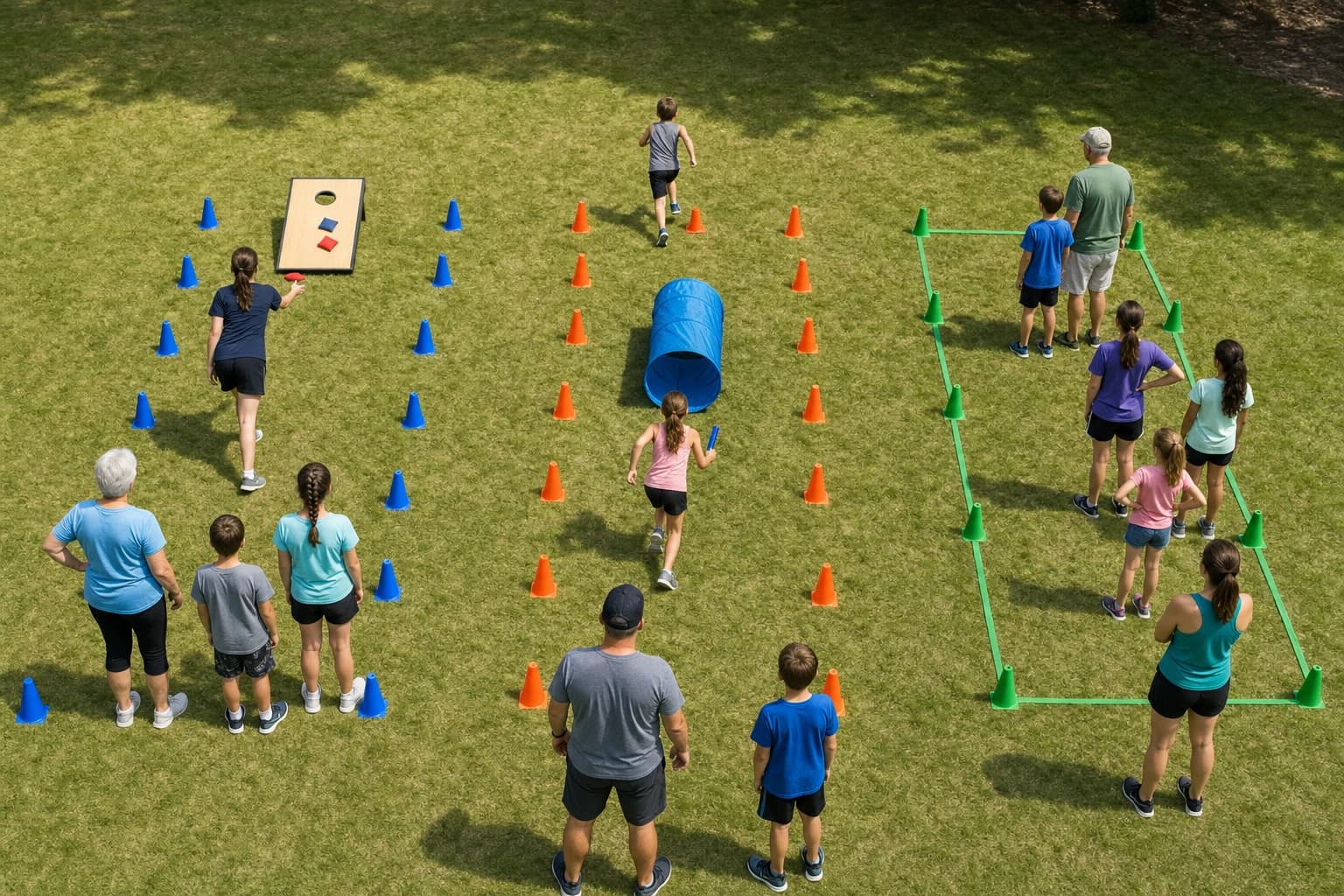
Mistake 5: Using the Same Rules for Every Age
Fair does not always mean identical. A 6-year-old and a 16-year-old using the same throwing line may be technically equal, but the result is predictable. The older player has a major advantage.
Use adjustable rules that keep the same goal while changing the difficulty. Examples include:
- Distance: Younger players throw from 6 feet, older players from 12 to 15 feet.
- Time: Younger players get 20 seconds for a task, older players get 10 seconds.
- Movement: Adults hop, walk backward, or carry a lightweight object while children move normally.
- Target size: Younger children aim at a laundry basket; older players aim at a smaller bucket.
- Scoring: A younger child’s successful toss may count for 2 points if the task is difficult for their age.
Explain these adjustments as “challenge levels,” not special favors. That framing helps older players see harder rules as part of the fun, while younger players do not feel singled out.
Mistake 6: Ignoring Space, Boundaries, and Traffic Flow
Outdoor spaces can feel larger than they really are once 30 people begin running, throwing, and changing direction. Collisions often happen when boundaries are vague, teams cross through each other’s lanes, or spectators stand too close to the action.
Before play starts, walk the area and decide where players will move, where waiting teams will stand, and where non-players can watch. Keep throwing games away from picnic tables, grills, parked cars, playground exits, and younger children who are not participating. If the ground is wet, uneven, or full of holes, choose walking games or station games instead of running games.
Spacing Check Before You Start
- Mark a clear outer boundary with cones, rope, chalk, or visible landmarks.
- Leave a buffer between game lanes so players do not run into each other.
- Place spectators behind the starting line or to one side, not behind targets.
- Use soft equipment when ages and skill levels vary.
- Stop the game immediately if players cannot hear the signal or see the boundary.
Weather also matters. For hot events, the National Weather Service recommends taking heat seriously and paying attention to hydration, shade, and heat alerts; see its heat safety guidance when planning summer outdoor events.
Mistake 7: Letting Competitive Players Take Over
Mixed-age play can become uncomfortable when one or two competitive players argue calls, give constant instructions, or pressure younger teammates. This is common in large family games, camp competitions, and neighborhood tournaments.
Prevent it by assigning positive roles before the game begins. Older kids and adults can be team captains, but make the captain’s job clear: encourage, rotate turns, and help explain rules. If a captain’s main job is winning, the tone changes quickly.
You can also use game formats that reward cooperation. Cooperative playground games, group challenges, and shared-score scavenger hunts help reduce the pressure on individual players. For more options that keep players involved instead of eliminating them, see 15 Cooperative Playground Games for Kids That Do Not Eliminate Players.
A Step-by-Step Plan for Better Mixed-Age Outdoor Games
Use this planning process when you have a wide age spread and limited time. It works for backyards, parks, camp fields, and school lawns.
- List the age range and mobility needs. Write down the youngest age, oldest age, and any known limitations. Do this before choosing games.
- Choose three game types. Pick one movement game, one skill game, and one cooperative or puzzle game. This avoids an event made only of races.
- Set the play area. Mark boundaries before people arrive. For groups larger than 20, plan at least two activity zones so the whole group is not crowded into one game.
- Prepare age-adjusted rules. Decide the throwing lines, time limits, or movement restrictions ahead of time. Do not negotiate every adjustment during play.
- Build balanced teams. Use color draw, buddy pairs, or assigned teams. Avoid captain picks unless the group is small and emotionally comfortable with it.
- Run a practice round. Keep it short: 2 minutes for simple games, 5 minutes for field games. Reset scores after practice.
- Keep rounds short. Most mixed-age games work better in 5- to 8-minute rounds than one long 30-minute game.
- Rotate or reset. After each round, switch sides, swap roles, or change the challenge level so the same players do not dominate.
If you want an easy structured activity for younger children that older siblings can help run, a backyard hunt is often a better starting point than a high-speed field game. This guide to setting up a backyard scavenger hunt for kids ages 5–10 can be adapted with bonus clues for teens and adults.
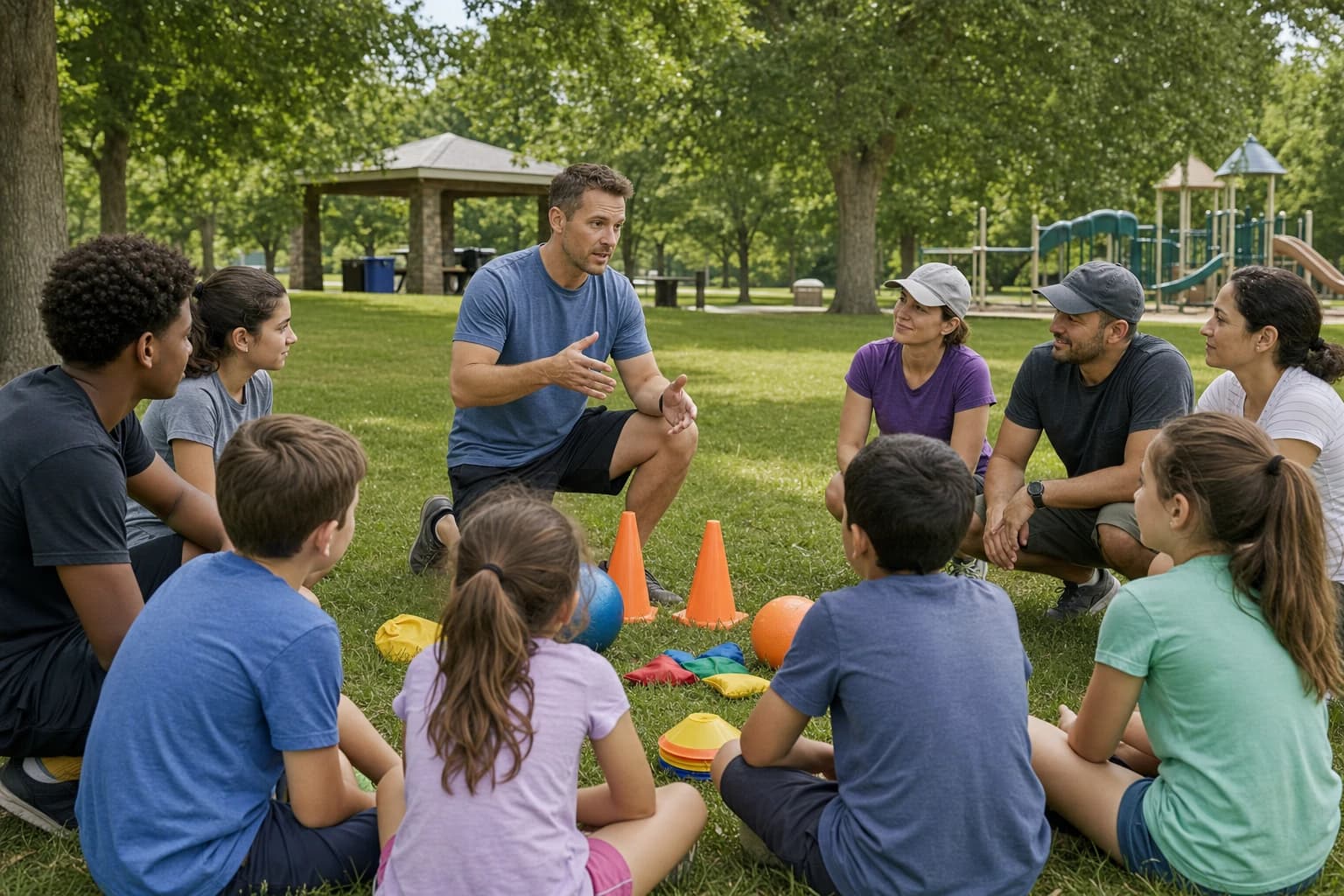
Better Game Choices for Mixed-Age Groups
The best game is not always the most exciting on paper. It is the one the whole group can understand, join quickly, and enjoy without constant correction.
| Game Type | Why It Works | Planning Caution |
|---|---|---|
| Scavenger hunt | Observation matters more than speed; easy to pair ages | Use picture clues for non-readers and bonus clues for older players |
| Beanbag target toss | Simple rules and adjustable distances | Use multiple targets to prevent lines |
| Kickball with modified rules | Familiar team structure and easy rotation | Reduce field size and avoid hard throws at runners |
| Capture the flag lite | Exciting for older kids and adults | Needs clear boundaries, safe zones, and no-contact rules |
| Cooperative obstacle course | Teams work together instead of eliminating players | Keep obstacles low, soft, and optional |
Kickball can be a good middle ground when the group understands base-running, but it needs clear rules and softer competition for younger players. If you use it, review Kickball Rules for Kids: Recess, Picnic, and Backyard Games and adjust pitching speed, field size, and out rules for your age mix.
FAQ: Outdoor Games for Mixed Age Groups
What is the best outdoor game for a group with kids and adults?
A scavenger hunt, beanbag challenge, or cooperative relay is usually easier than a full-contact or high-speed game. These activities allow different ages to contribute without making speed the only path to success.
How do you make teams fair at a family reunion?
Use assigned teams instead of captain picks. Spread older teens, athletic adults, and confident players across teams first, then add younger children with buddies so every team has a workable mix.
Should mixed-age games have winners?
They can, but the scoring should reward more than athletic ability. Include teamwork points, bonus challenges, or short rounds so one strong team does not dominate the entire event.
How long should each game last?
For a mixed-age group, 5 to 8 minutes per round is often enough. Short rounds make it easier to reset teams, explain changes, and keep younger players engaged.
What should I avoid with toddlers or older adults in the group?
Avoid hard balls, blindfolded running, crowded chase games, and activities on uneven ground. Choose walking options, partner roles, soft equipment, and clear boundaries.
Conclusion: Plan for the Range, Not the Average
The secret to better outdoor games for mixed age groups is not finding one perfect activity. It is planning rules, teams, space, and timing so the youngest, oldest, fastest, slowest, shyest, and most competitive players can all take part without the game falling apart.
Start with simple rules, short rounds, balanced teams, visible boundaries, and age-adjusted challenges. When in doubt, choose games with constant participation and flexible difficulty. That small amount of planning turns a scattered gathering into a game session people actually want to keep playing.